City Tours·Lucas Meyer·
Best City Tours for 2026: 7 Routes for a Real Day
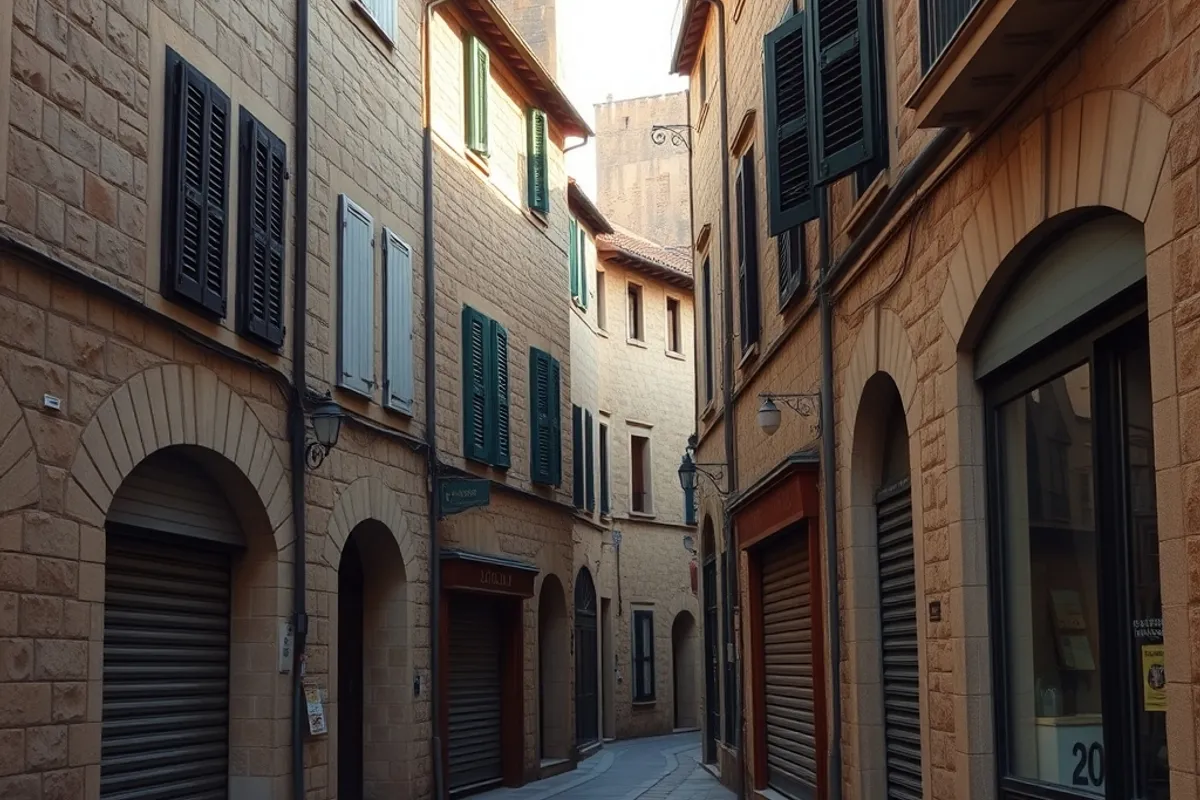
These seven routes are shapes for a day, not fixed itineraries. Pick the one that matches the city and your energy, then adjust to the opening hours.
Key facts
- Old-town walks work best before the tour groups arrive.
- Market mornings need an early start and cash.
- Museum routes should be limited to two collections.
- Riverside evenings are for walking, not for rushing.
A city tour works when it has a shape. These seven routes are built around a neighborhood, a market, a museum or a river, with the timing that makes each one pleasant. None of them requires a guide, and all of them can be shortened if the weather or your energy changes.
1. The old-town morning walk
Best before ten, when the streets are quiet and the shopkeepers are opening. Start at a square, walk the oldest lanes and finish at a church, a palace or a small museum. The point is the texture: doorways, signs, stone and the way the light falls.
Do not try to see every monument. Pick two interiors and spend the rest of the time walking. A coffee in a square is part of the route, not a delay. By midday, the tour groups arrive and the atmosphere changes.
2. The market morning
Best on a weekday, when the market serves local shoppers rather than visitors. Arrive early, walk the whole hall before buying and carry small notes. Ask what is good today and buy something you can eat on the spot.
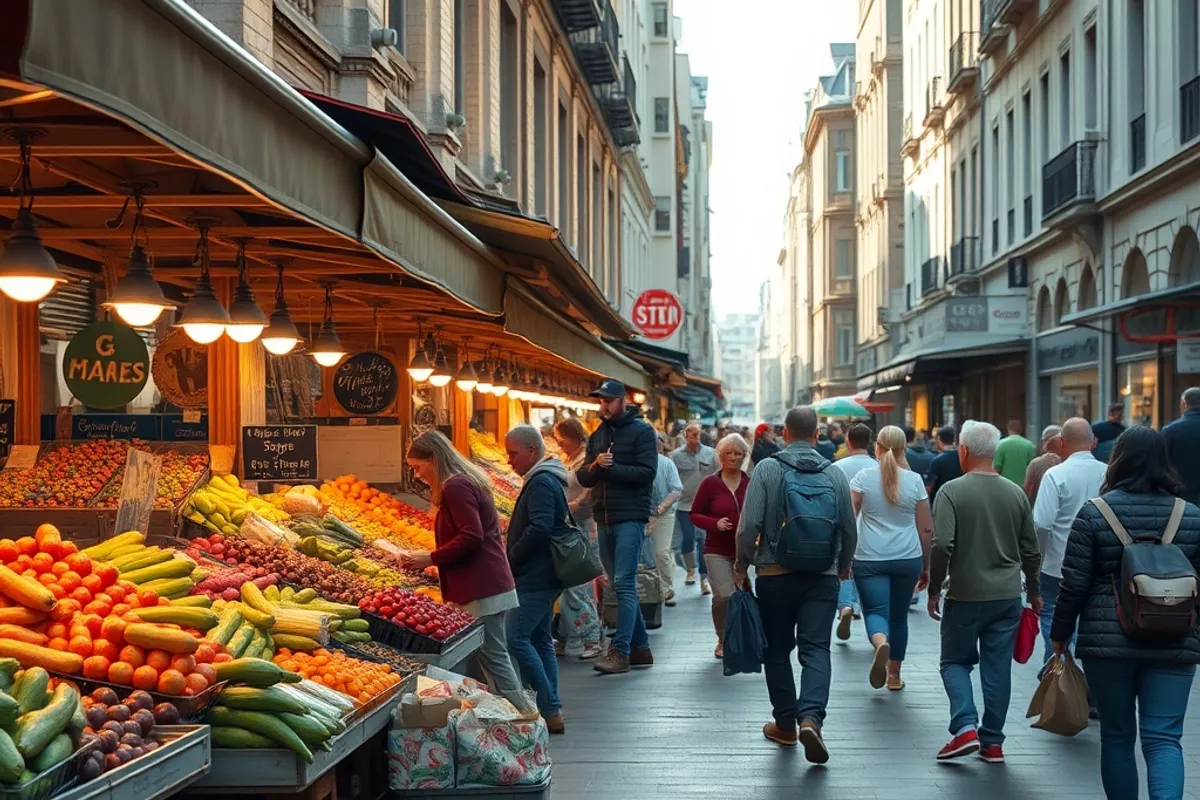
Keep the market as the anchor and build a short walk around it. A nearby park, a river path or a food street can fill the rest of the morning. Avoid planning a museum visit immediately after a big market breakfast; give yourself time to walk it off.
3. The two-museum route
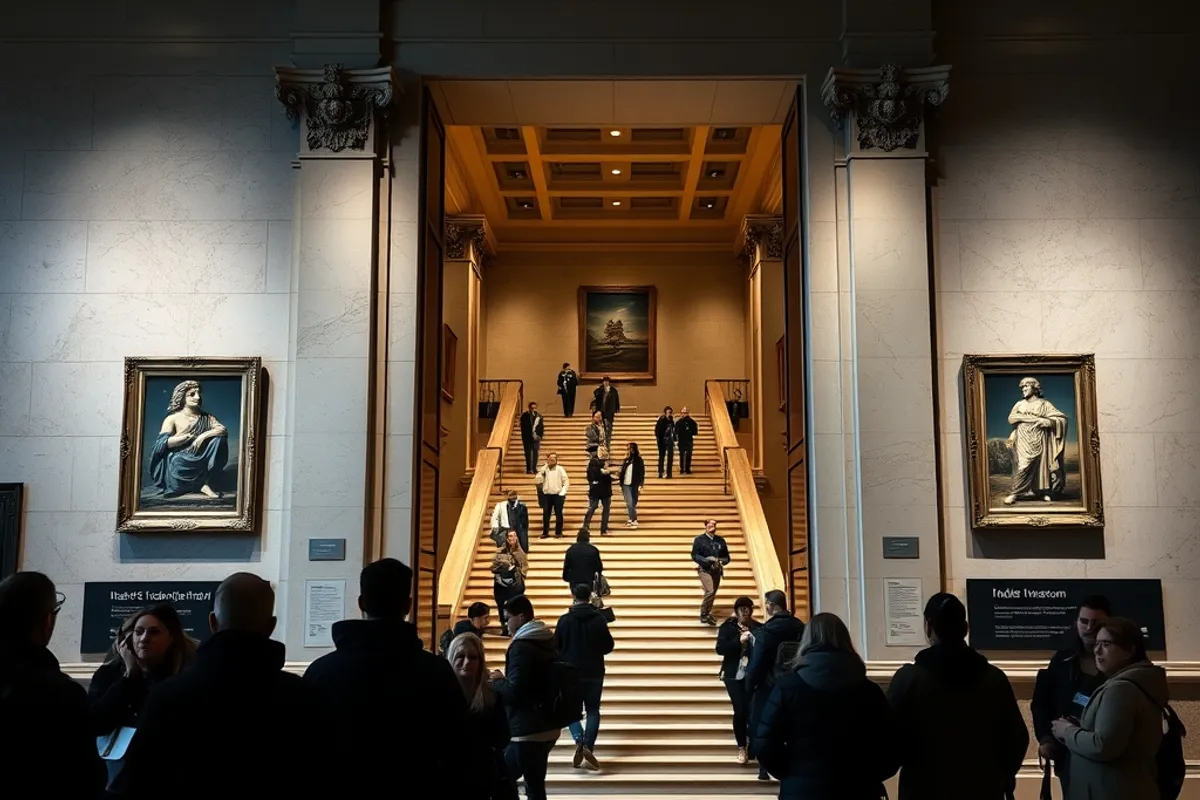
Best for a rainy day or a city with a strong collection. Choose two museums near each other and give each one a clear limit. A single collection done well is better than four done in a blur.
Book timed tickets where they exist and check the cloakroom rules. Take a break between the museums, ideally with lunch or a walk in a park. Museum fatigue is real, and the second visit is better after a rest.
Two collections with a lunch between them beat four galleries and a headache.
4. The riverside and bridge walk
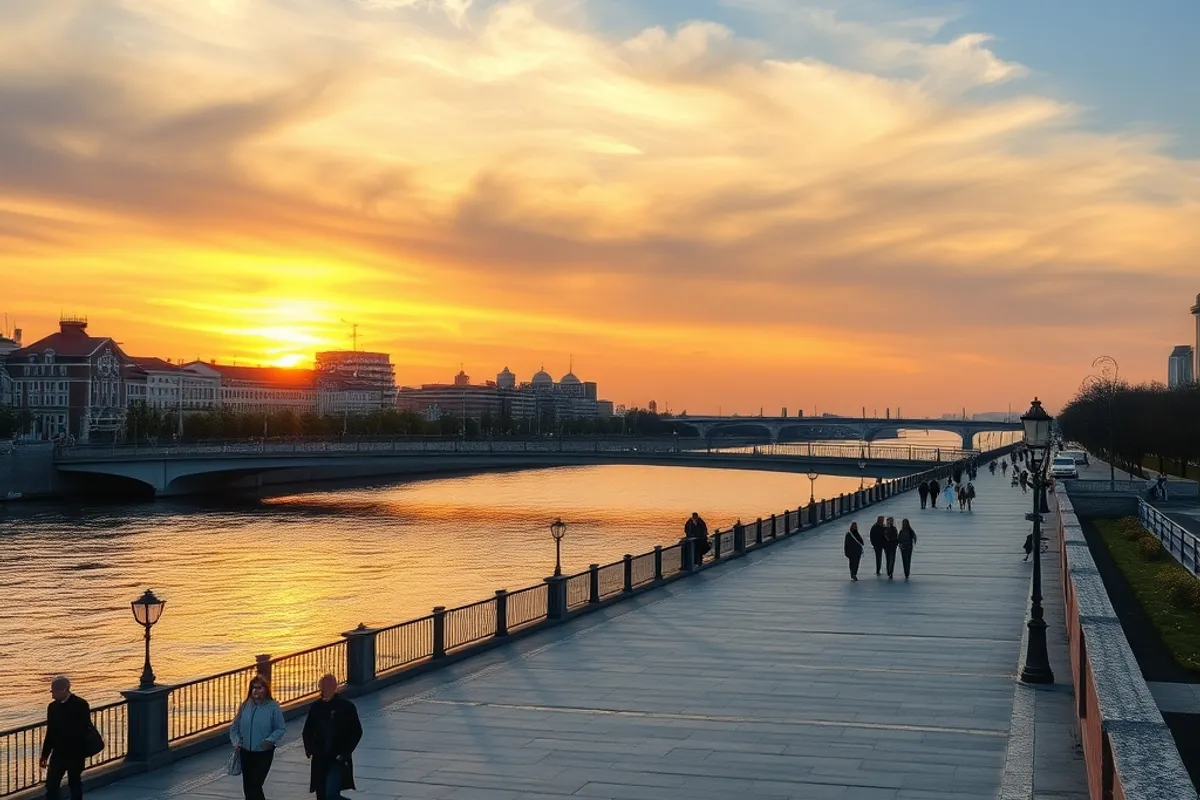
Best in the late afternoon, when the light softens and the city moves toward dinner. Walk one bank, cross a bridge and return on the other. Keep the route short enough to enjoy the view rather than count the distance.
Check whether the path is open along the whole route; construction and private stretches can force a detour. If you want a boat, take a short local crossing rather than a long tourist cruise. The view from the water is good, but the walk is usually better value.
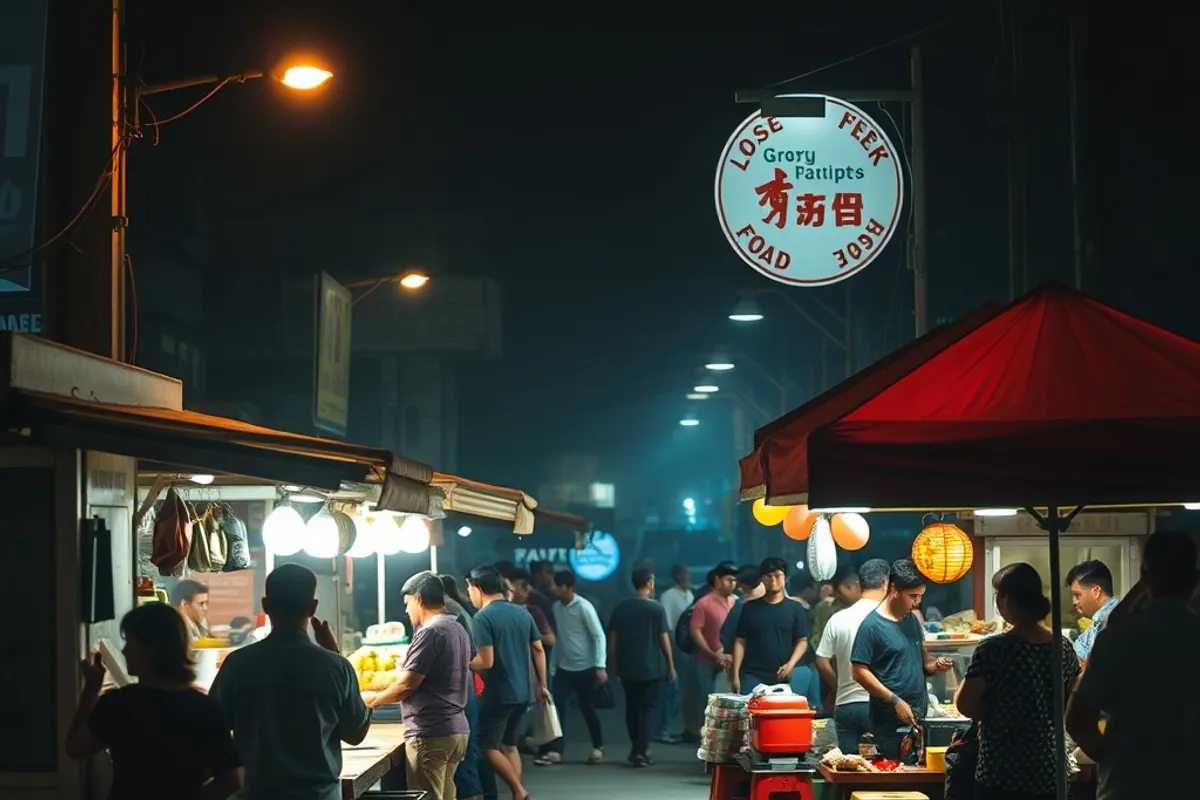
5. The street-food evening
Best when you are hungry and willing to eat standing up. Choose a street or a market with several stalls, walk the length first and then buy from the busiest local queue. Keep portions small so you can try more than one thing.
Carry water and a little cash. Ask about spice and ingredients if you have restrictions, and do not assume a stall can adapt. If the food is cooked to order, wait; it is usually worth it.
6. The architecture and design walk
Best for a city with a mix of old and new. Pick a route that moves from a historic quarter to a modern district, with a stop for coffee in between. Look up, but also look at the street: paving, lamps, signs and the way people use the space.
Check whether any buildings allow visitors. Many are private or open only for events. A walking route that respects that is better than a day of closed doors. If you want an interior, choose one museum or one public building and plan around it.
7. The neighborhood and park day
Best when you want a slower day away from the center. Choose a residential neighborhood with a park, a cafe and a local market. Walk the streets, sit in the park and eat where the locals eat. This is often the day people remember most.
Use transit to get there and back, and avoid planning a tight connection. A neighborhood day should feel like a small holiday inside the trip. If you are travelling with children, the park is the anchor and the rest is optional.
How to adapt any route
Shorten the route by a third if it is hot, crowded or you are travelling with children. Replace one stop with a long lunch. Keep the last hour free so the day ends calmly.
For planning advice, see our city tour planning guide. For a base that makes the morning easy, read Staycation or resort booking guide.
Written by Lucas Meyer for Judson Desmet. Tips or corrections? Email [email protected].