City Tours·Lucas Meyer·
City Tours 2026: How to See a City Without the Rush
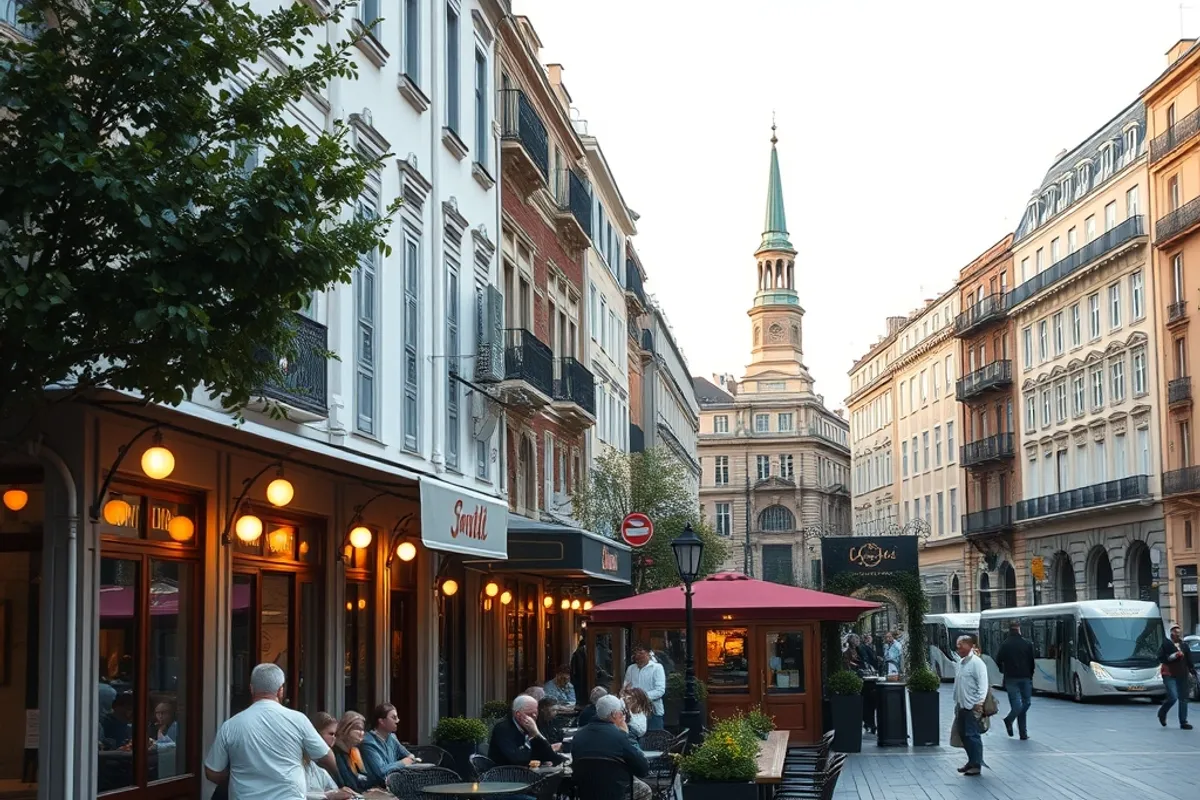
The best city day is not the fullest one. It is the one that moves in a straight line, stops when something is good and gets you to dinner without a sprint.
Key facts
- Group sights by neighborhood, not by guidebook order.
- Check opening days before you build the route.
- Use transit for long gaps and walk the short ones.
- Leave one unplanned hour in the middle of the day.
A city tour is a route through time as much as space. The mistake is to plan by attraction and ignore the distance between them. The result is a day of transit, queues and photographs taken while walking. A better plan groups the things you want by neighborhood, then fills the gaps with food and rest.
Pick three anchors, not ten
Choose the three things you would regret missing, then build the day around them. Everything else is optional. Three anchors leave room for a market, a park or a second coffee without turning the day into a schedule. Ten anchors leave room for nothing.
Put the most important anchor first, while you are fresh. Put the second near lunch, so a good meal is part of the plan rather than a search. The third can be flexible, depending on the weather and your energy.
Group by neighborhood
Look at a map and draw a rough loop. A museum, a market and a park in the same district make a natural day. The same three spread across the city make a transit day. A compact route is easier to walk, easier to change and easier to enjoy.
Check the opening days and hours before you commit. Many museums close on Mondays, markets close in the afternoon and churches close for services. A route that ignores those hours will fail even if the map looks perfect.
Use transit for the long gaps
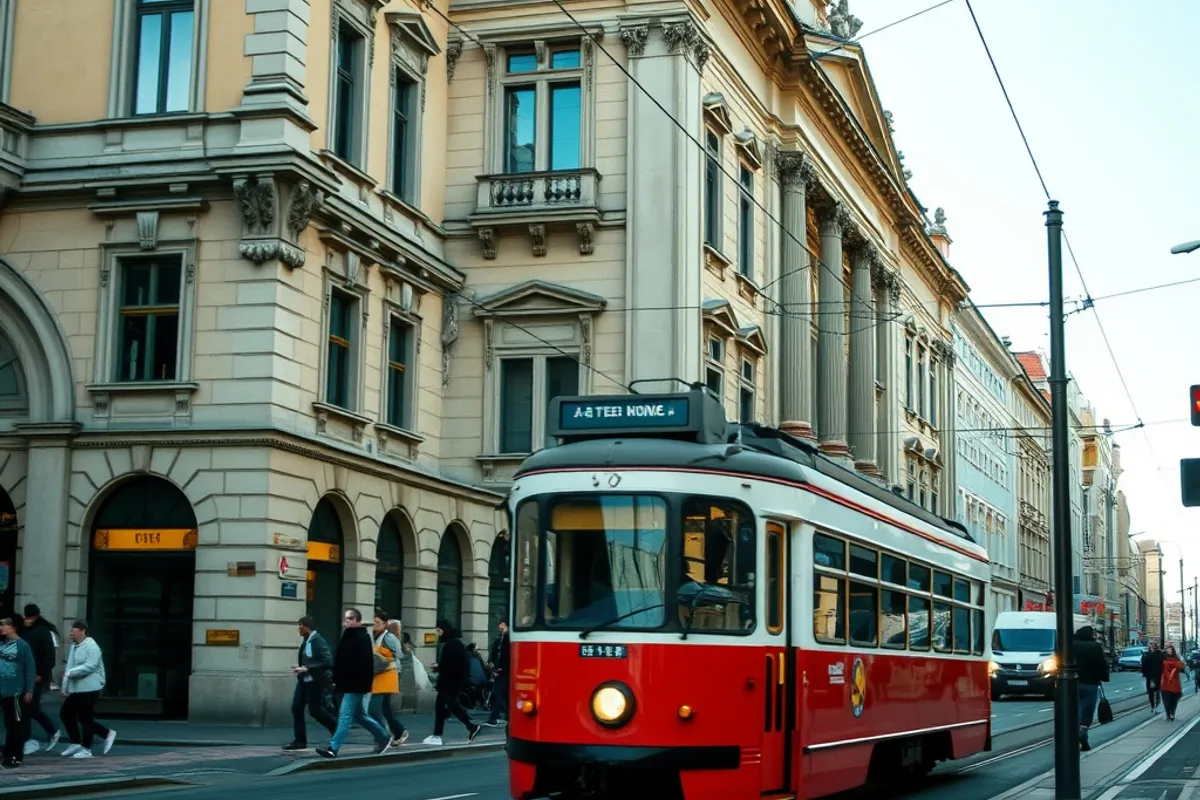
Walking is the best way to see a city, but not for every gap. Use a metro, tram or bus for the two long hops at either end of the day, and walk the middle. That saves energy for the part you came to see.
Buy the right ticket before you travel. A single ticket, a day pass or a contactless tap can have different rules, and inspectors do check. Keep the ticket until you leave the system. If you are unsure, ask at the station rather than guessing.
A city is not a checklist. It is a place to walk, eat and sit down.
Plan around one good meal
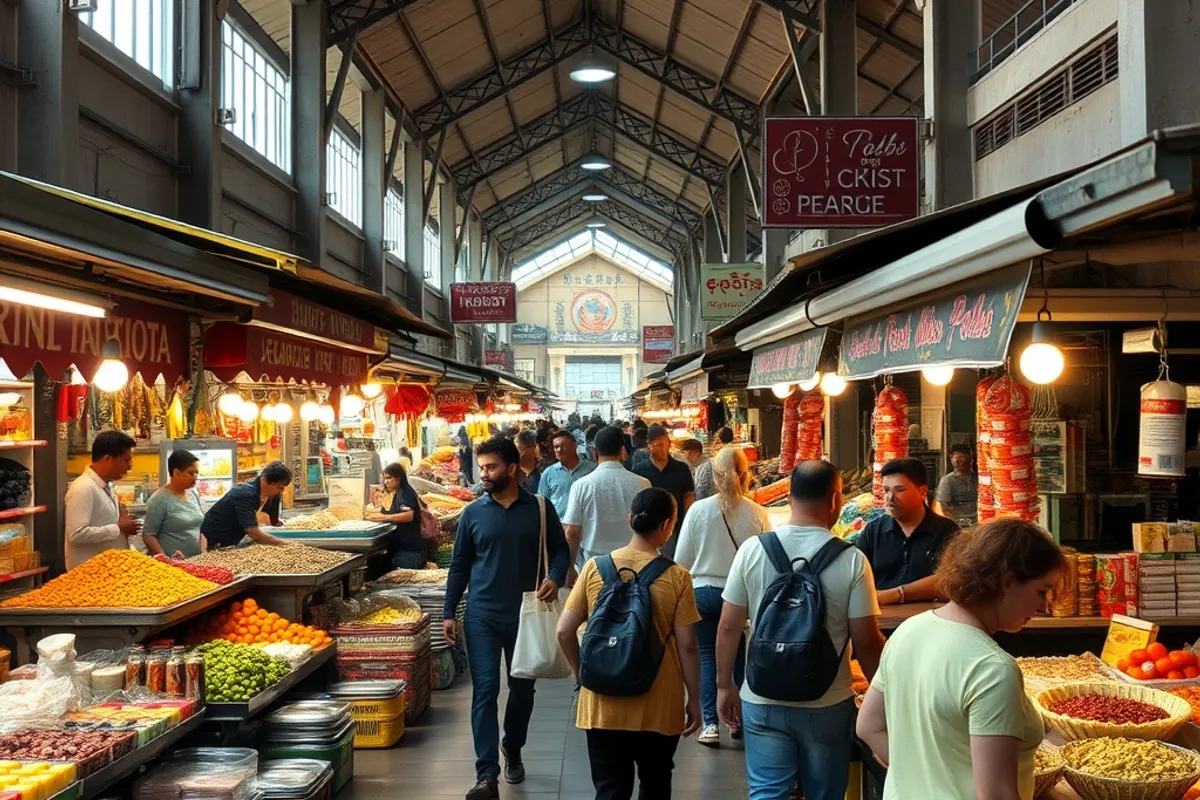
Choose lunch before you choose the afternoon. A market, a food hall or a small restaurant near the route will do more for the day than an extra museum. Book dinner only if it is important; leave lunch flexible enough to follow a recommendation.
Eat at local hours where you can. A restaurant that is empty at noon may be full at two, and a place that closes after lunch may not reopen for dinner. Check the hours and keep a backup within walking distance.
Build in a rainy-hour plan
Weather can change a city day quickly. Keep one indoor option near the route: a museum, a gallery, a covered market or a cinema. A flexible indoor stop is better than a long walk in the rain or a expensive taxi back to the hotel.
Carry a small umbrella or a waterproof layer even in summer. Cities are more forgiving in rain than the countryside, but a soaked afternoon still ends the day early.
Choose the right tour if you take one
A guided tour can be excellent for context, especially in a historic center. Choose a small group, a clear meeting point and a guide who is licensed where that matters. Ask how long the tour lasts and how much walking it involves.
Free walking tours are not free: you tip at the end, and the guide may be paid by the group size. That can be good value, but check the meeting point and the route. If a tour includes a shop or a sales stop, decide whether that is part of the experience you want.
Plan the end of the day
Finish near your hotel or near transport, not on the far side of the city. A good day ends with a short walk and a place to sit, not a long ride in traffic. If you have an evening plan, leave a gap for a shower and a rest.

If you are travelling with children or older relatives, cut the route by a third. A city day is tiring in a way that distance alone does not show: noise, heat, stairs and decisions all add up. A shorter route with a park and a snack is usually the better memory.
Keep the plan light
Write the anchors, the lunch area and the rain option. Leave the rest open. A city rewards curiosity more than completion, and the best stop is often the one you did not plan.
For route ideas, read our best city tours for 2026. If you want to combine a city with a local break, see Staycation.
Written by Lucas Meyer for Judson Desmet. Tips or corrections? Email [email protected].