Nature Trips·Elliot Hart·
Best Nature Trips for 2026: 7 Landscapes Worth a Week
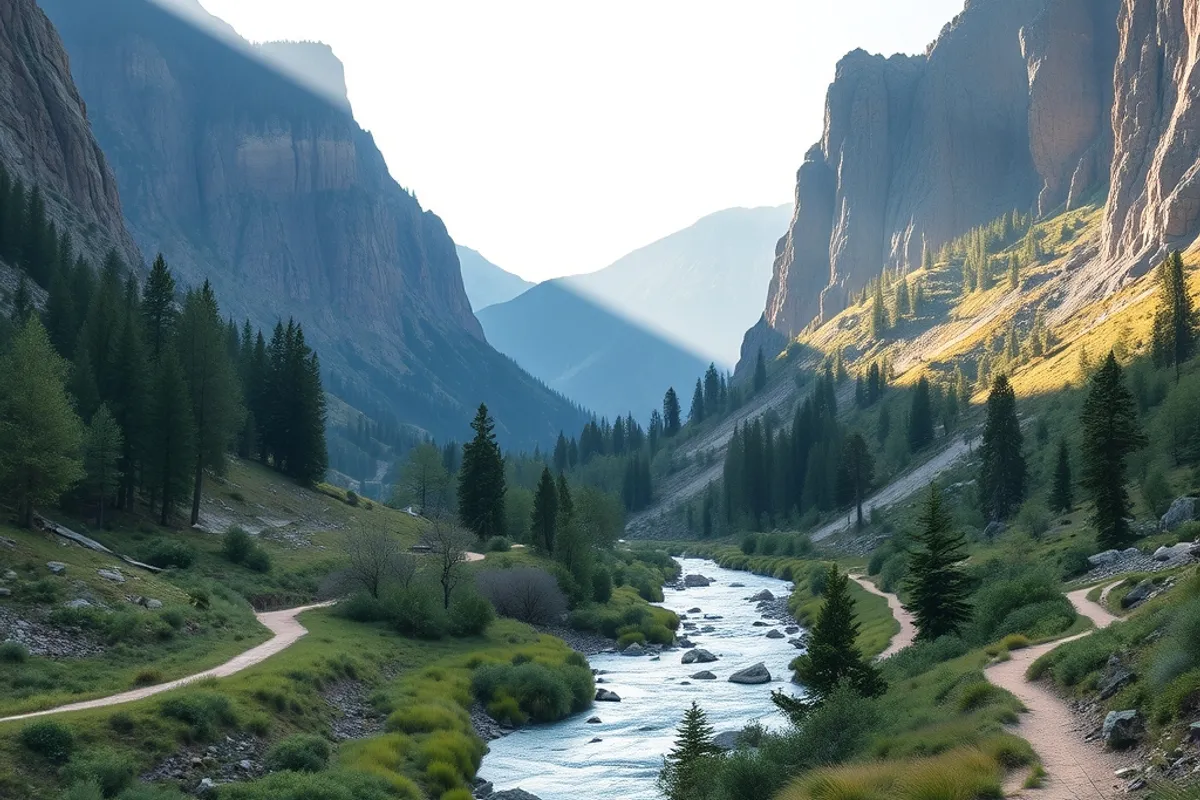
The best nature trip is the one that matches your tolerance for weather, walking and early starts. These seven landscapes cover the range.
Key facts
- National parks need permits and early starts in peak season.
- Coastal walks depend on tide and wind, not just distance.
- Wetlands are best at dawn and in the quieter months.
- Dark-sky trips need a moonless night and a clear forecast.
Nature trips are often sold as a list of sights. The better way to choose is by the day you want: a short walk with a view, a long coastal route, a quiet hide with binoculars or a night under a dark sky. These seven ideas are grouped by landscape, with the season and access that make each one work.
1. The national park day
Best for a first taste of a big landscape without committing to a multi-day route. Choose one valley, one trail and one viewpoint rather than trying to cover the whole park. Book any timed entry or shuttle in advance, and arrive early enough to park.
The visitor centre is worth ten minutes: it tells you about closures, wildlife and the weather that the website may not. Take the shorter trail if you are unsure. A park day should end with energy left for the drive out, not a race against dusk.
2. The coastal cliff walk
Best in late spring and early autumn, when the light is clear and the wind is manageable. A coastal path offers constant views, but it also offers exposure. Check the wind, the tide and the state of the path. Some sections can be muddy, steep or closed after storms.
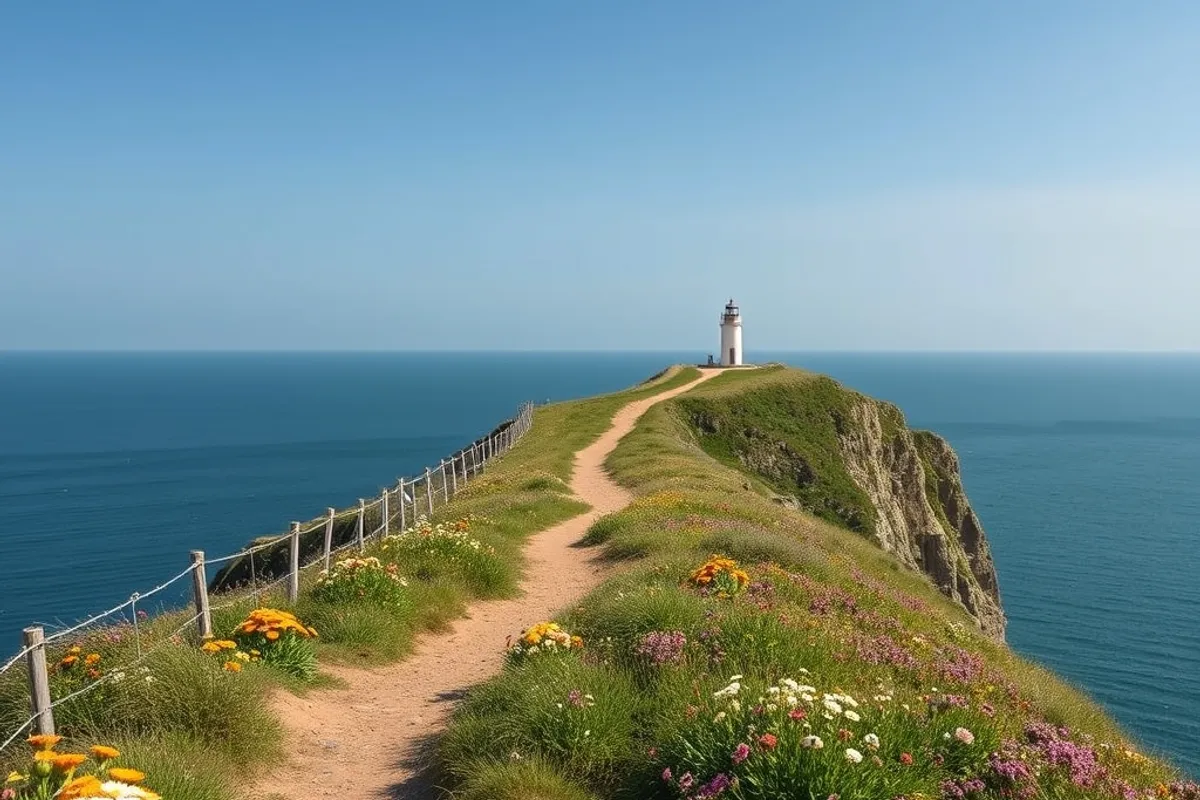
Carry a layer even on a warm day, because the wind on an exposed headland is colder than the town. Keep back from the edge, especially in gusty weather. If the path is busy, let faster walkers pass and do not stop in a narrow section for a photograph.
3. The lake and forest break
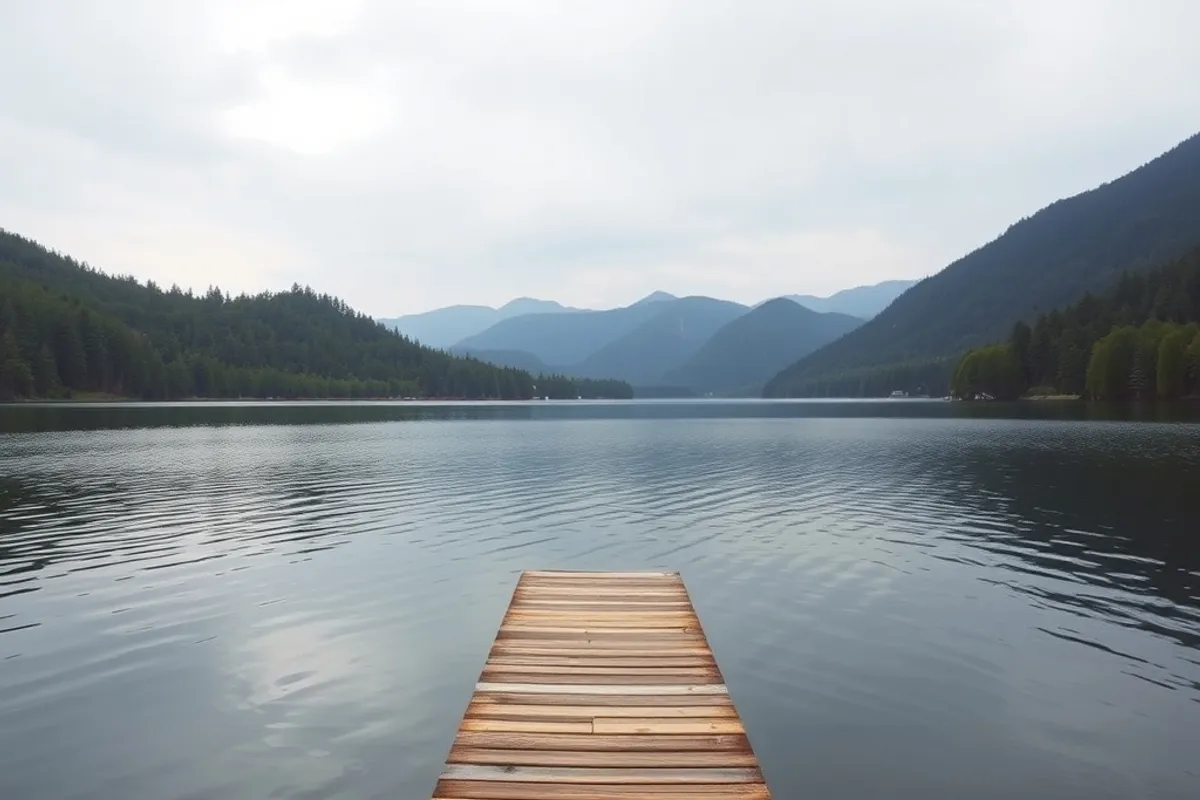
Best for a relaxed trip with short walks and a base near the water. A lake gives you a view without a summit, and a forest gives you shade and shelter. It is a good choice for mixed groups, where some people want a long walk and others want to sit by the water.
Check the swimming access and the boat hire before you book. A lake that looks inviting from the photos may have a steep bank or a cold current. If you plan to paddle, use a local operator and wear the equipment provided.
A landscape is not a checklist. Pick one thing to do well, then leave the rest for another trip.
4. The wetland and bird reserve
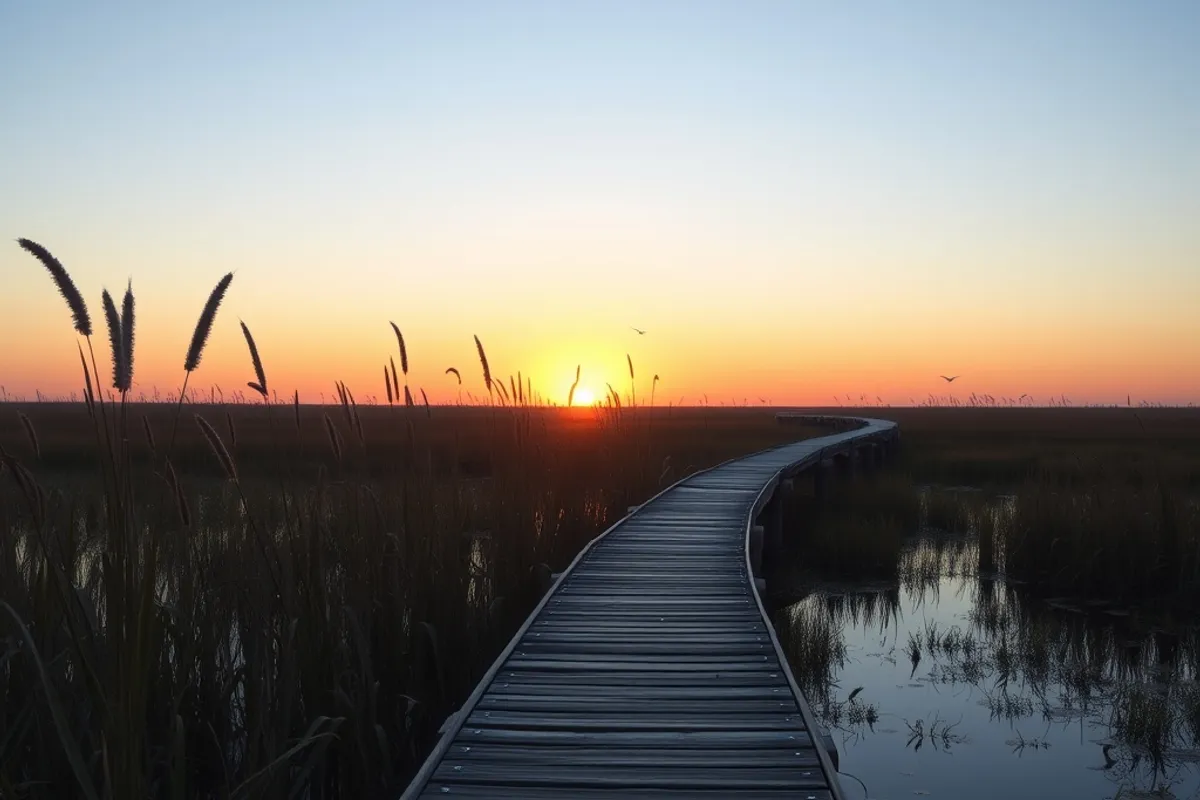
Best at dawn, in spring or autumn migration, when the light is soft and the birds are active. A wetland rewards patience: a hide, a bench and a quiet hour will show you more than a fast walk around the loop. Bring binoculars if you have them, and keep your voice low.
Check the water levels and the state of the boardwalk. Some reserves close sections during nesting season. Stay on the path, keep dogs out where required and do not play bird calls to attract a photograph.
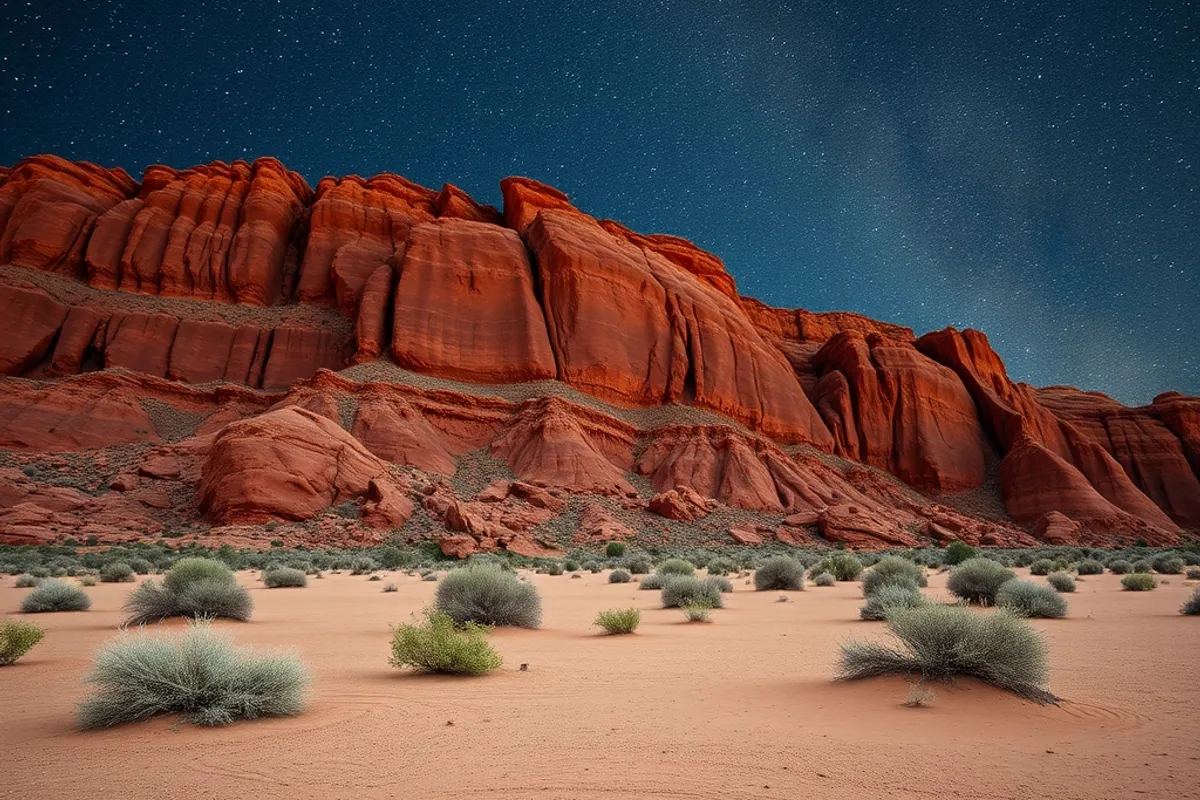
5. The desert and dark-sky trip
Best in the cooler months, when the heat is manageable and the nights are clear. A desert or badlands landscape is beautiful and unforgiving: long distances, little shade, fast temperature changes. Carry more water than you need and tell someone your route.
For a dark-sky trip, check the moon phase and the forecast. A full moon washes out the stars, and cloud ruins the night. Arrive before dark, learn the access road and bring a red-light torch so you do not destroy your night vision.
6. The island nature day
Best when you want water, walking and a small-scale landscape in one day. An island reserve can combine a coastal path, a beach and a picnic. The trade-off is the boat: a cancelled sailing or a missed return is the main risk.
Book the ferry before the walk, check the last return and keep an eye on the weather. Do not plan a long route on an island with one boat a day. A short loop with time for a swim is usually the better choice.
7. The wildlife watching stay
Best when an animal is the reason for the trip. Choose a reputable operator, ask about the distance rules and refuse any trip that promises close contact or feeding. A good guide will put the animal first, even if it means a shorter view.
Keep quiet, stay in the vehicle where required and do not use a flash. The best wildlife encounters are often brief and unexpected. The memory is worth more than the photograph.
How to choose
Match the landscape to your energy and the season. A park day needs less planning than a coastal route; a wetland needs patience; a desert needs water and a reliable vehicle. If you are travelling with children, choose the shorter version of any of these and leave time for the unplanned stop.
For the planning side, read our nature trip planning guide. For a base near the water, see Resort Life; for a short local break, see Staycation.
Written by Elliot Hart for Judson Desmet. Tips or corrections? Email [email protected].