Nature Trips·Elliot Hart·
Nature Trips 2026: How to Plan a Week Outdoors
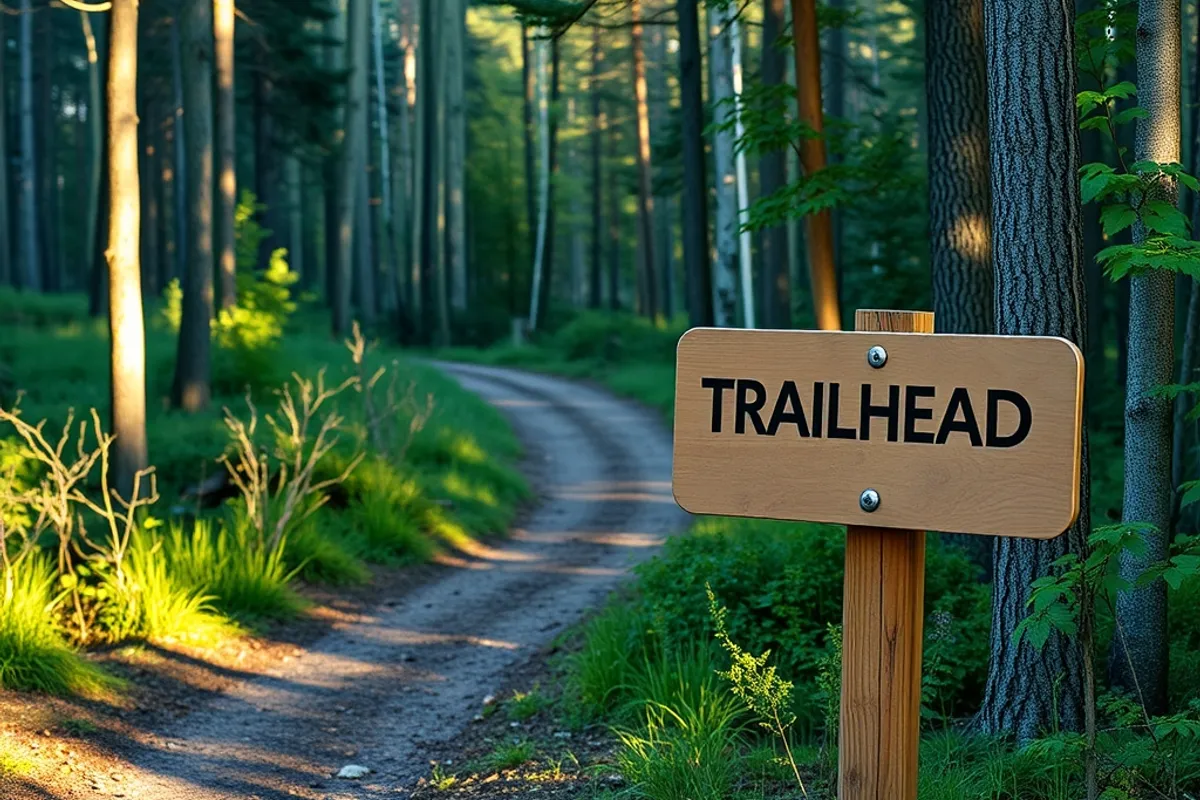
A good nature trip is planned around the limits: the last bus, the tide, the daylight and the weather. Everything else is a bonus.
Key facts
- Check permits and park entry before you build the itinerary.
- Plan the day around daylight and the last transport.
- Tides and weather change coastal access.
- Carry water, layers, food and a way to navigate offline.
Nature trips go wrong in ordinary ways: a longer walk than expected, a tide that cuts off the beach, a bus that stops running at five, a storm that arrives early. The fix is not more gear. It is a plan that starts with access and daylight, then adds the walk and the photographs.
Start with how you get in and out
The trailhead is part of the route. Check the road, the parking, the bus times and the distance from the nearest town. A beautiful walk with no reliable exit is a problem, especially in a place with no phone signal. If you are relying on a last bus, know the exact time and where it stops.
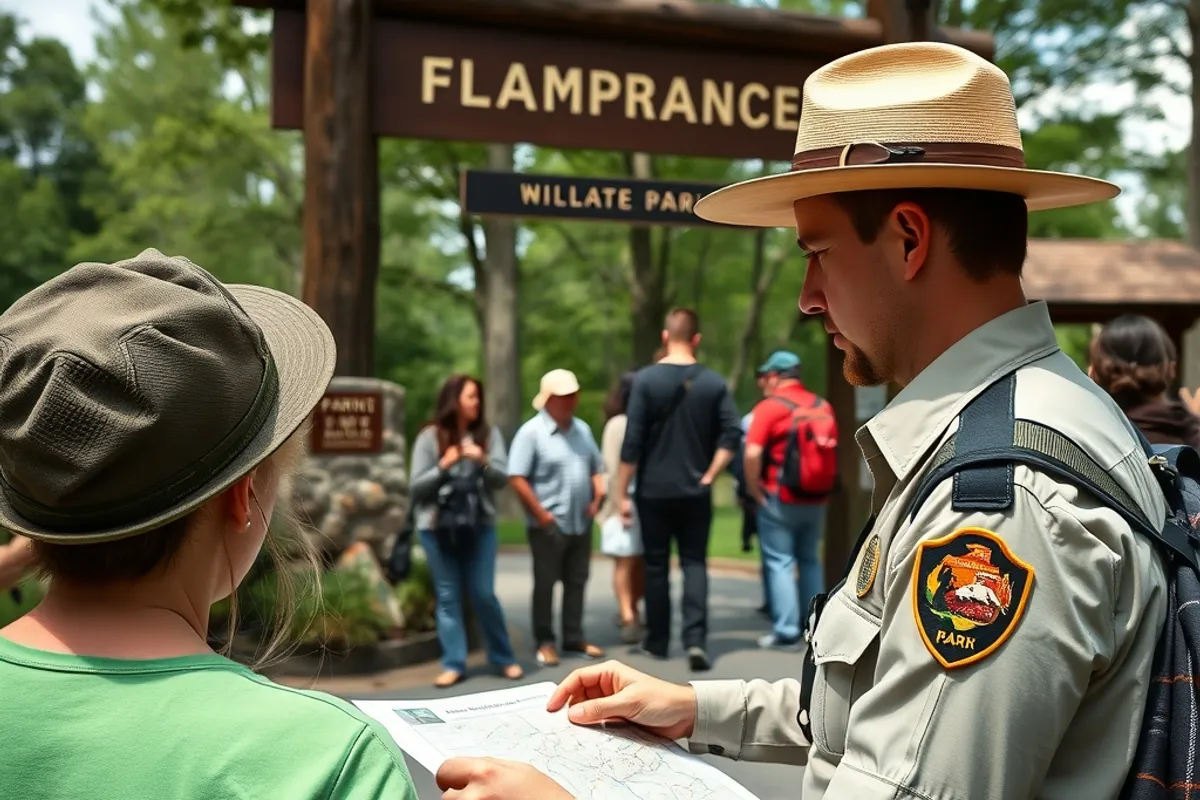
Some parks need a permit, a timed entry or a booking for a car park. Check the official site before you plan the day. A permit that sells out weeks ahead can decide the whole trip, and turning up without one can mean a long detour.
Plan around daylight
Work backwards from sunset. Allow more time than the guidebook suggests, then add a buffer. A short winter day leaves little room for a wrong turn, a long lunch or a slow group. If the route is unfamiliar, start earlier than feels necessary.
Carry a head torch even on a day walk. A delayed start or a slower return can turn an afternoon into a dusk walk. A torch weighs almost nothing and removes the most common reason for a tense finish.
Check the tide and the water
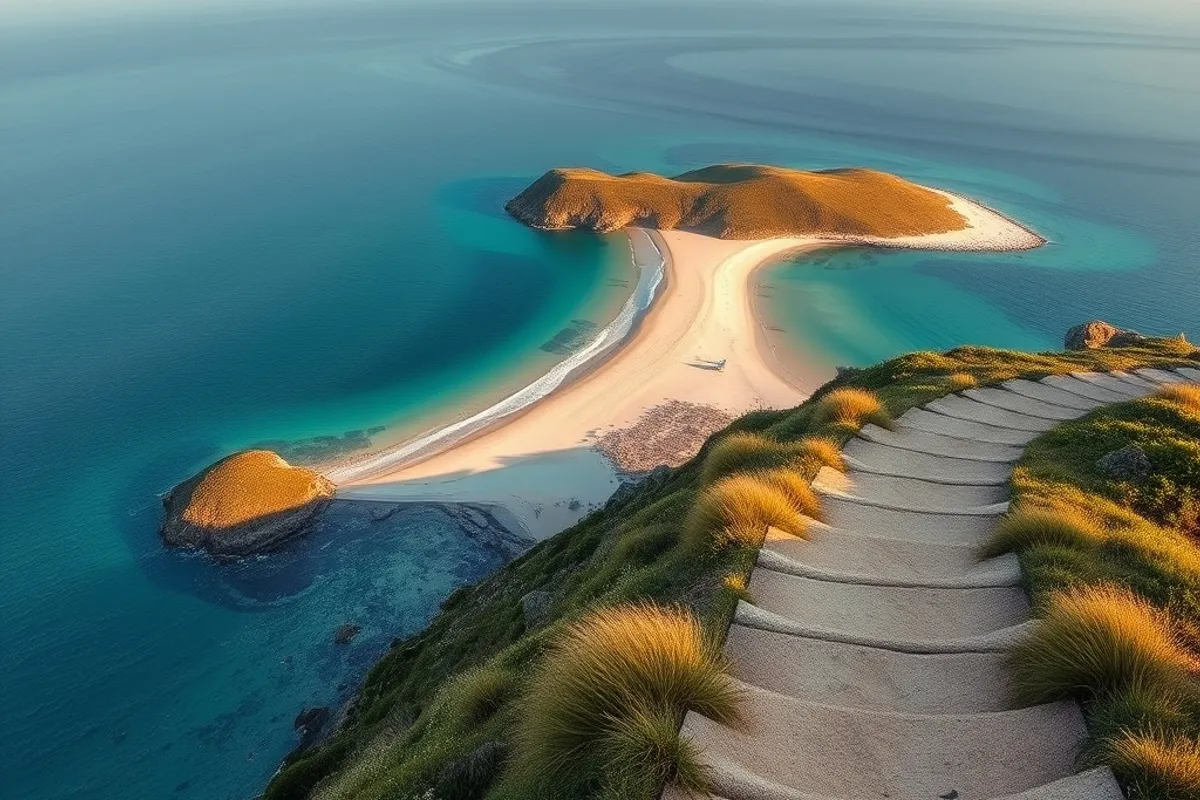
On the coast, the tide decides whether a beach is a beach or a channel. A route that is open at low tide can be cut off later, and a shallow crossing can become dangerous. Check a local tide table, not a generic app, and ask a ranger or a local operator if you are unsure.
Do not wade a crossing you have not checked, and do not turn your back on the sea on a rocky shore. Waves can arrive in sets and reach farther than expected. If the water is the main attraction, plan the swim for a lifeguarded area and a calm day.
The sea does not negotiate with your itinerary. Plan around it.
Read the weather properly
A regional forecast is a start, not a guarantee. Mountains, coasts and valleys create their own weather. Check the wind, the rain and the temperature for the exact area, and look at the trend for the day. If thunder is possible, avoid exposed ridges, beaches and open water.
Heat is a quiet risk. Start early, carry more water than you expect to drink and eat salty food. In cold weather, dress in layers and keep a dry layer for the end. Cotton next to the skin is a poor choice when you stop moving.
Pack for the day, not for a fantasy
The core kit is small: water, food, a map or offline route, a power bank, a waterproof layer, a warm layer, sun protection and a basic first-aid kit. Add binoculars or a camera if that is the point of the trip. Everything else is optional and adds weight.
Take your rubbish out, including fruit peel and tissues. Leave rocks, shells, flowers and driftwood where you found them. A place stays worth visiting because visitors resist the urge to take a piece of it home.
Respect wildlife and other visitors
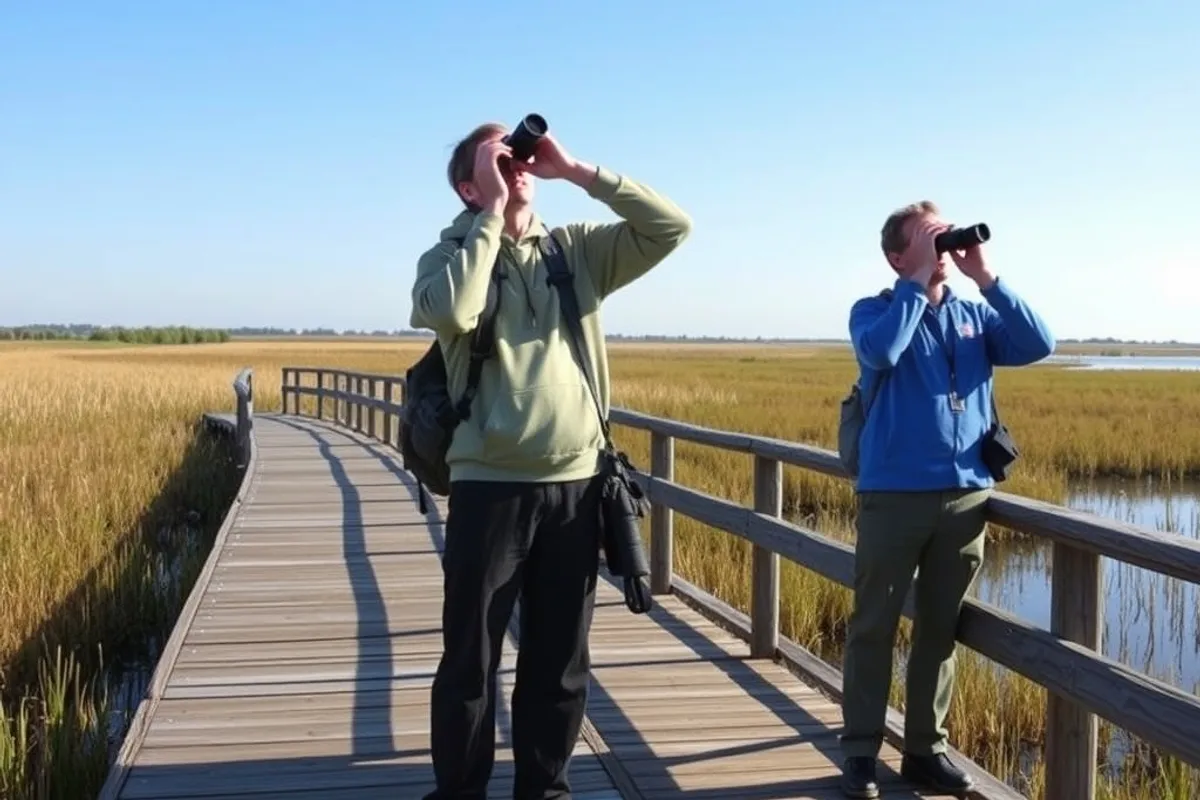
Keep your distance, especially from animals with young. Do not feed wildlife, do not chase a photograph and do not block a path for a shot. Use binoculars or a zoom lens instead of moving closer. If an animal changes its behaviour because of you, you are too close.
Stay on marked trails where they exist. Cutting a switchback causes erosion and can damage plants that take years to recover. In sensitive areas, a boardwalk or a marked route is there for a reason, even when the direct path looks easier.
Tell someone the plan
Share your route, your expected return time and the car park you are using. If you are alone, tell a friend and check in when you are back. A simple message is the cheapest safety measure available.
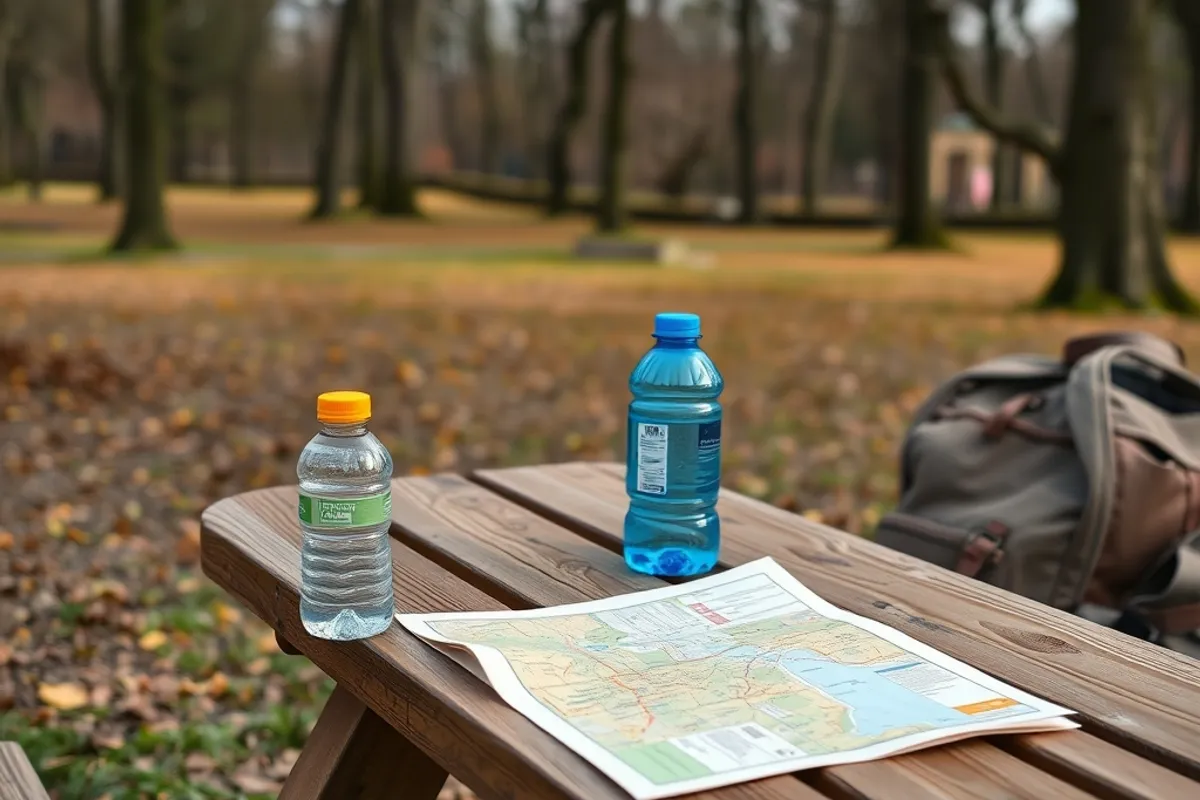
If you have no signal, carry a paper map and know the direction of the nearest road. Do not rely on a route that only exists on a phone. A power bank helps, but it is not a substitute for knowing where you are.
Build in a slow day
A week outdoors does not need a new landscape every day. A slow day with a short walk, a long lunch and an early night makes the rest of the trip better. It also gives the weather a chance to improve before the main objective.
For route ideas, see our best nature trips for 2026. If you are combining nature with a city, read our city tour planning guide.
Written by Elliot Hart for Judson Desmet. Tips or corrections? Email [email protected].